

It was a Tuesday. Ron had just wrapped up a peer pressure workshop with a group of teens on his probation caseload. One kid in particular stood out — sharp, articulate, confident. He stood up in front of the group and broke down exactly why vaping was dangerous, why giving in to your friends was weak, and what smart decision-making actually looked like. Ron was impressed. Less than 24 hours later, that same kid called. He had been caught at school with a vape device — not using it, holding it for a friend.
He was on probation. They had just covered this. He had just taught this. And still — peer pressure won.
That moment tells you everything you need to know about how powerful peer pressure in teenagers really is. And if it can override a kid who knew better, understood better, and said better — it can reach your child too.
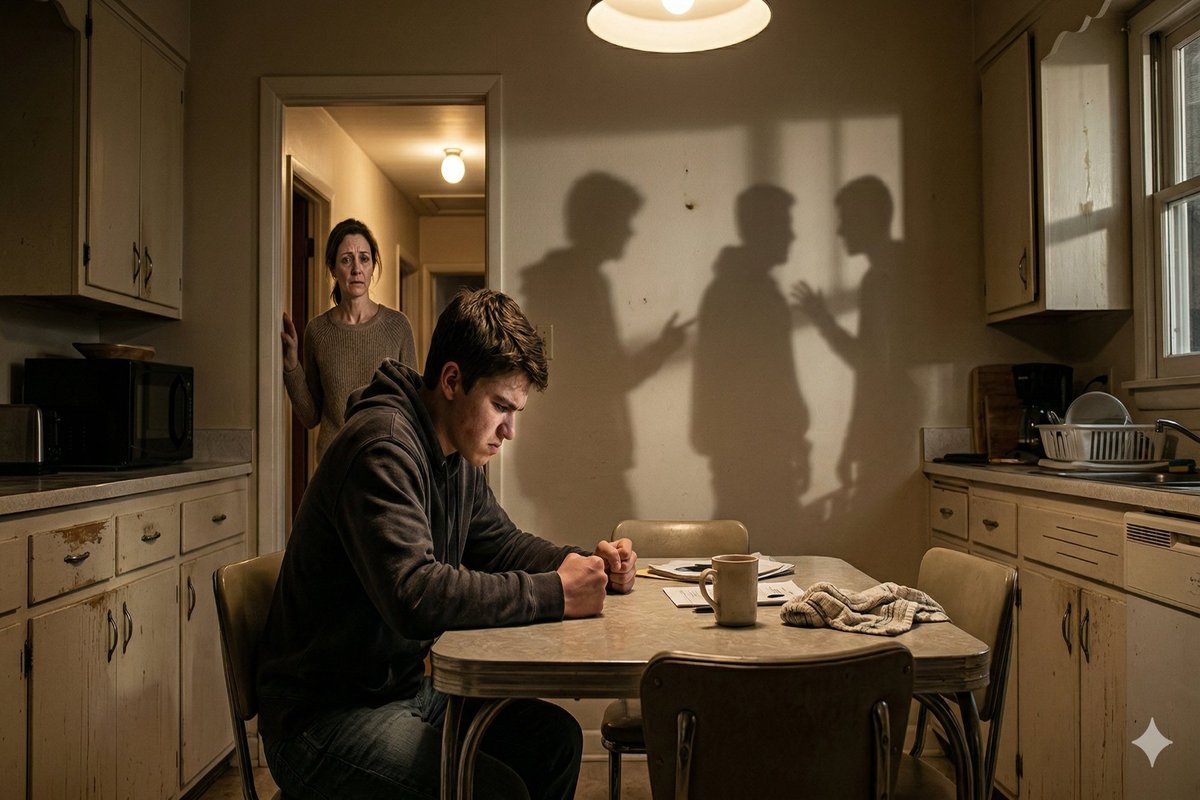
What Peer Pressure in Teenagers Actually Looks Like
Forget the after-school special version where a sketchy kid in a leather jacket says "come on, just try it." That's not how it works in real life.
Real peer pressure is quieter. It's a group of friends getting hyped about something and your kid not wanting to be the one who kills the vibe. It's not wanting to be called soft. It's wanting to feel included more than wanting to stay out of trouble.
It's little Johnny — who can't afford the latest sneakers — watching his friends stunt at school every day until one day he decides to go get his own pair by any means necessary.
It's the kid from the good home. Two parents. Resources. Solid grades. Who links up with a group that doesn't have half of what he has — but what they do have is influence. And slowly, that influence becomes his compass. His grades slip. His curfew stops mattering. His family stops being able to reach him. And one day they're sitting in a courtroom wondering where it all went wrong.
Ron has read hundreds of those family histories. The warning signs were almost always there. They just weren't caught in time.
"The families who caught it early — who noticed the sleep changes, asked the right questions, knew the friends — those are the families who changed the outcome."
Warning Signs of Peer Pressure Parents Miss
Here's the hard truth: your child is not going to come home and announce that they're feeling pressured by their friends. They're going to show you — through behavior — and hope you don't notice.
Here's what to watch for:


Sleep pattern changes.
Your kid used to go to bed at eleven. Now it's two, three, four in the morning. And when they come home from school, they're dead on their feet. Teachers are sending reports that they're sleeping in class. This is not a phase. This is a sign. What is happening at three in the morning? Social media. Pornography. Group chats. Someone or something has their attention — and it isn't you.
Isolation from the family.
Joe Blow used to engage at dinner. He used to talk. Now he eats fast and disappears. He's not depressed necessarily — he's somewhere else mentally. He's more loyal to whatever is happening in his phone than to what's happening at your table. When a kid who was once present becomes consistently absent — that's a signal.
Lying and hiding.
Not big dramatic lies. Small ones. Where were you? With friends. Which friends? Just some people. This pattern of vagueness is not teenage attitude — it's management. They're managing what you know so you don't interfere with what they're doing. Deception at this level means something worth hiding is already happening.
Clothing and style shifts.
This one gets dismissed as self-expression and sometimes it is. But if your child suddenly starts dressing in a specific way — all one color, new symbols, new language, new accessories — pay attention to what that style is aligned with. Kids don't just randomly change aesthetics. They mirror who they want to belong to.
New friends you've never met.
You know their old friends. You've had them in your house. But now there are names you don't recognize, places you've never heard of, and a reluctance to bring anyone around. That gap between your child's social life and your awareness of it is where peer pressure lives.
Behavioral reversals.
The kid who never cursed is cursing. The kid who hated conflict is fighting. The kid who was focused is drifting. When a child reverses patterns that took years to build — something or someone is pulling them in a new direction. That something is almost always peer influence.
How to Talk to Your Teen About Peer Pressure Without Shutting Them Down
This is where most parents make the mistake that ends the conversation before it starts.
They interrogate.
"Why would you do something like that?" "What were you thinking?" "How many times do we have to go through this?"
Every one of those questions puts a teenager on defense. And a teenager on defense goes silent — or lies.
Ron uses a different approach in the field. It's called motivational interviewing and you don't need a degree to use it. The principle is simple: you ask about them by asking about other people.
Instead of asking your child directly what's going on — ask about their friends.
"Hey, what's one thing you really like about your friend Marcus?"
Let them talk. Ask a follow-up. Let them talk more. What a child tells you about their friends is almost always a reflection of what they're thinking and feeling themselves. You're not interrogating — you're listening your way into their world.
Ron's exercise: learn three things about three of your child's closest friends. Real things. What they're into, what their home life looks like, what kind of influence they carry. You don't have to do this all at once. You do it gradually, conversationally, over time. And you use that information to understand what your child is being exposed to every single day.
Ask open-ended questions. Let them do the talking. Aim your follow-ups to keep them going. You are not their friend — but you are the adult who needs to know what is happening before it becomes something you can't fix.
Why This Matters More Than You Think
Peer pressure in teenagers doesn't stay peer pressure forever.
Left unchecked, it escalates. It goes from skipping homework to skipping school. From trying a vape to daily drug use. From small lies to serious deception. From hanging with the wrong crowd to catching charges with them.
Ron has seen that escalation more times than he can count. And the families who caught it early — who noticed the sleep changes, asked the right questions, knew the friends — those are the families who changed the outcome.
The ones who thought their kid was squeaky clean — who assumed it couldn't happen to their child — got a phone call they weren't ready for.
You don't have to be that parent.
Talk to your child. Know their world. Watch the signs. And when something feels off — trust that instinct, because nine times out of ten you're right.
Want a better way to start the conversation?
Teen Conversation Cards gives parents 72 focused questions across trust, school, friends, online safety, emotions, and choices without turning the moment into an interrogation.
Frequently Asked Questions
Ron Million is a juvenile probation officer with 12+ years of experience working with at-risk youth and their families. YouthPivot was built to give parents the tools the system doesn't hand out. Start with the free parent guide — and get ahead of what's coming.
Get the Free Parent Guide →