Privacy note: This post is based on a real juvenile case conversation. Names, identifying details, and small specifics have been changed to protect privacy.
It started with a compliment.
Not a crime scene. Not a dramatic warning sign. Not some giant red flag any parent would catch from across the room.
Just a random girl on Instagram telling a teenage boy he was cute.
He replied.
That is how a lot of these situations start. A stranger appears out of nowhere. The attention feels flattering. The conversation moves fast. The guard drops. Then, before the teen has time to slow down and think, the tone changes.
That is exactly what happened in this real case.
A teenage boy was contacted on Instagram by a girl he did not know. After some quick flirting, she asked for his number. He gave it to her. Then she asked for explicit pictures. He said no and blocked her.
If this were a movie, that would have been the smart ending.
But real life is messier than that.
Soon after he blocked her, another message came in from a different number. Now the tone was threatening. The sender claimed to have explicit material and was demanding money to keep it from being sent to other people. That is when the panic hit.
What Parents Would Probably Call This
Most parents are not searching the internet for the word sextortion.
They are searching things like:
someone is blackmailing my child onlineInstagram scam targeting teenssomeone is threatening to send picturesfake girl scam on Instagramteen being extorted online
That is the real entry point. And yes, there is an official name for it. This kind of online sexual blackmail is commonly called sextortion. But the reason this matters for families is not the label. It is the pattern.
"The scammer does not always need proof. They just need pressure."
The Scary Part of This Case
Here is what makes this case so important: the image being used against the teen was not actually his.
The scammer did not need a real photo from him to create panic. She used someone else's explicit image, tried to frame it as his, and pushed hard for money before he had time to think clearly.
That matters because parents often imagine this only happens if a teen already sent something. Sometimes that is true. But not always.
Sometimes the scam works because the threat feels believable enough. Sometimes the shame is enough. Sometimes the child is too scared to stop and ask, "Wait, does this even make sense?"
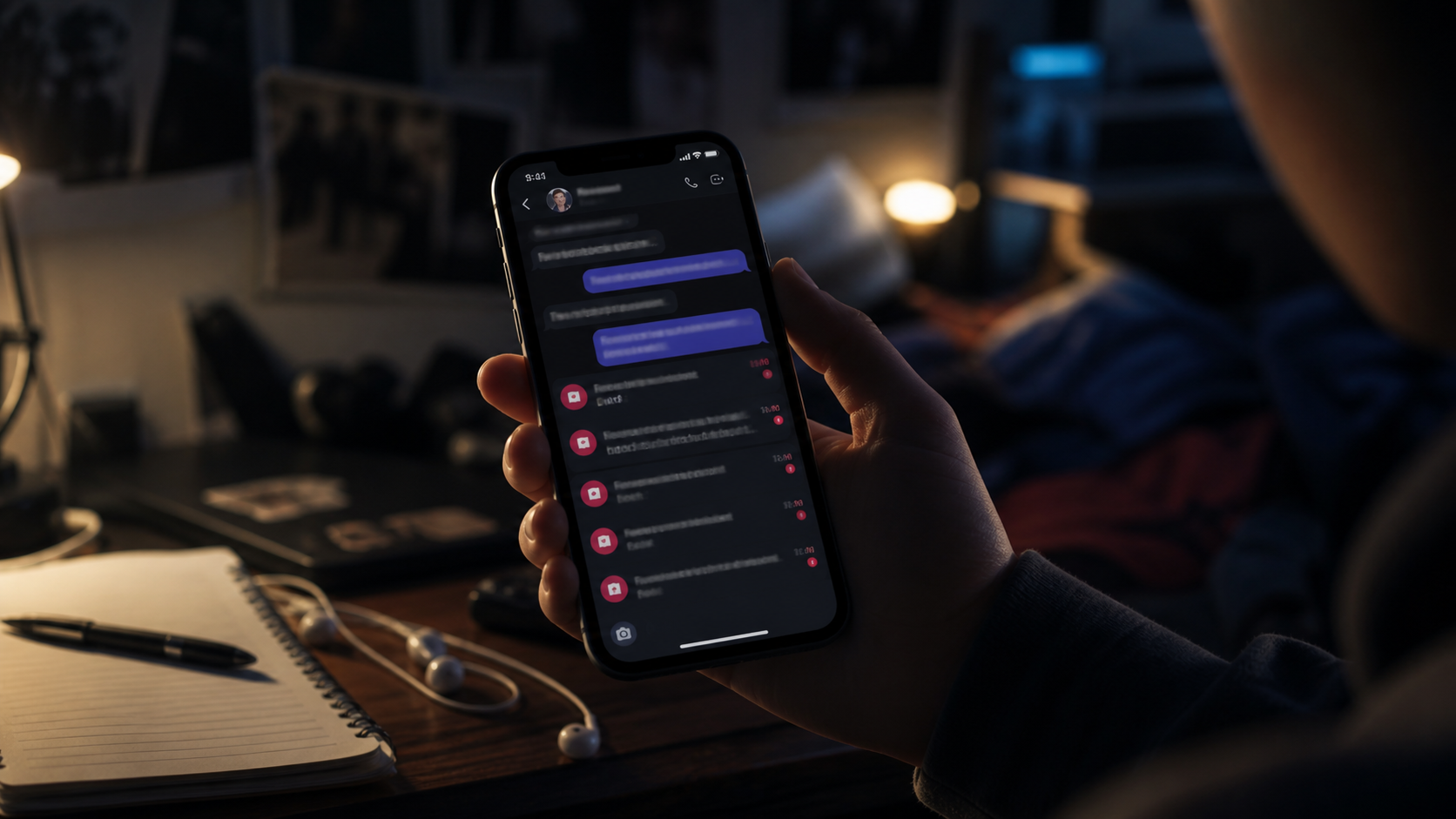
The pressure point is speed. These scams are built to flood a teen with fear before they stop to think or ask for help.
The Biggest Mistake This Teen Made
He kept it to himself.
That was the most important part of the whole case. He thought he was supposed to deal with it on his own.
That one belief is what keeps these scams alive. Not just the fake account. Not just the threats. Not just the phone.
Silence.
Kids think:
I am in troubleMy parents are going to freak outI should have known betterI need to fix this before anyone finds out
And once that happens, the scammer has room to work. Because secrecy is oxygen for online blackmail.
How This Instagram Scam Usually Works
Parents need the pattern more than the vocabulary.
- A stranger reaches out on Instagram, Snapchat, or another app.
- The attention feels flattering or romantic.
- The conversation moves off-platform to texting or another private channel.
- Sexual content comes up very quickly.
- The teen is asked for photos or pushed into a compromising interaction.
- Threats begin.
- The scammer demands money, more pictures, or both.
Sometimes the threats mention followers, friends, classmates, family members, group chats, or screenshots. The message is always built to create the same feeling: If you do not do what I say right now, your life is about to blow up.
The Warning Signs Parents Might Actually Notice
Most parents are not going to see the first DM. But they might notice what comes after.
- sudden panic around the phone
- repeated blocking of numbers or accounts
- quick deleting of texts or DMs
- unusual emotional swings after being online
- fear about something getting sent
- secrecy around who is messaging them
- shame, withdrawal, or irritability that seems to appear out of nowhere
- questions about whether deleted messages can be recovered
What This Teen Did Right
- He said no when asked for explicit pictures.
- He blocked the account.
- He did not send money.
Those are good instincts. But good instincts do not fully protect a kid once a threat starts. After that, the next right move is telling a safe adult.
What He Should Have Done Next
- Told a trusted adult immediately.
- Saved screenshots of everything.
- Kept the account names, numbers, and message timestamps.
- Avoided deleting anything important too early.
- Reported the account.
- Stopped handling it alone.
What To Do in the First Hour
What Parents Should Say First
If your child is scared and ashamed, the wrong first sentence can end the conversation.
Bad openings sound like this:
What did you do?Why would you send that?I told you not to talk to strangers online.Give me your phone right now.
A better opening sounds like this:
You are not in trouble. If someone is threatening you, we are going to deal with it together. Show me what happened.
Do not answer them again right now. Do not delete anything else yet. Let's slow this down.
My job right now is to help you, not shame you.

The goal is not to interrogate a scared child. The goal is to become the safest person in the room.
What To Do if Someone Is Blackmailing Your Child Online
- Stay calm enough for your child to borrow your calm.
- Stop the child from continuing the conversation with the scammer.
- Save screenshots, usernames, phone numbers, and links.
- Preserve evidence before mass deleting, blocking, or changing settings.
- Report the account on the platform.
- If there are active threats, image-based abuse concerns, or escalating demands, consider law enforcement and cyber tip reporting.
- Reassure your child that they are not facing this alone.
The goal in the first hour is not perfection. The goal is to reduce panic, protect evidence, and keep the child connected to you.
The Real Hook of This Scam Is Shame
The scammer is not just threatening exposure. They are selling the child a terrifying story: Your life is over unless you do exactly what I say.
That is the lie. And kids believe it because they are imagining school, friends, family, humiliation, punishment, and permanent damage all at once. That is why parent tone matters so much. A teen in panic does not first need a lecture. They need an anchor.
If You Want the Deeper Step-by-Step Plan
This article is here to help parents recognize the pattern and respond better in the moment. But if you want the full calm-under-pressure version, with step-by-step response guidance, printable checklists, and parent-friendly scripts, that is exactly what the YouthPivot Sextortion Response Toolkit is built for.
- what to do in the first minutes
- what to do in the first hour
- what to save
- what not to say
- how to support your child without making the shame worse
- how to move from panic to action
When families are under pressure, they do not need more information. They need a plan.
Final Word
This case matters because it was so ordinary at the start.
No giant warning siren. No obvious criminal setup. No dramatic beginning.
Just a random message. Some flattery. A teen who answered.
That is why parents should pay attention. Because the internet does not need a long runway to create a crisis.
And because one of the most protective things a parent can build is not perfect control. It is a home where a scared child still believes: If something like this happens, I can tell my parent.
FAQ
What is an Instagram blackmail scam targeting teens?
It is a scam where someone contacts a teen online, gains trust quickly, then threatens to share sexual images, fake images, screenshots, or private information unless the teen sends money, more content, or keeps cooperating.
What if someone is threatening to send pictures of my child?
Stay calm, do not let your child keep negotiating, save all evidence, collect screenshots and account details, and report the account. Reassure your child that they are not alone and that the situation can be handled step by step.
What is sextortion?
Sextortion is the formal term for a type of online sexual blackmail where someone threatens to expose sexual images, conversations, or claims unless the victim sends money, more images, or complies with demands.
Does a scammer always need real pictures?
No. Some scammers use real images, but others use fake images, edited screenshots, bluffing, or fast-moving threats to create panic and force payment.
What should I say if my teen is being blackmailed online?
Start with calm, not blame. Say: You are not in trouble. We are going to deal with this together. Show me what happened.
Disclaimer
The information in this post is provided for educational and general-information purposes only and does not constitute legal advice, clinical counseling, or a substitute for professional intervention. Although the content draws on Ron's juvenile-probation experience, every family situation is unique and outcomes may vary. If you or your child may be in crisis, contact a qualified professional or emergency services immediately.